


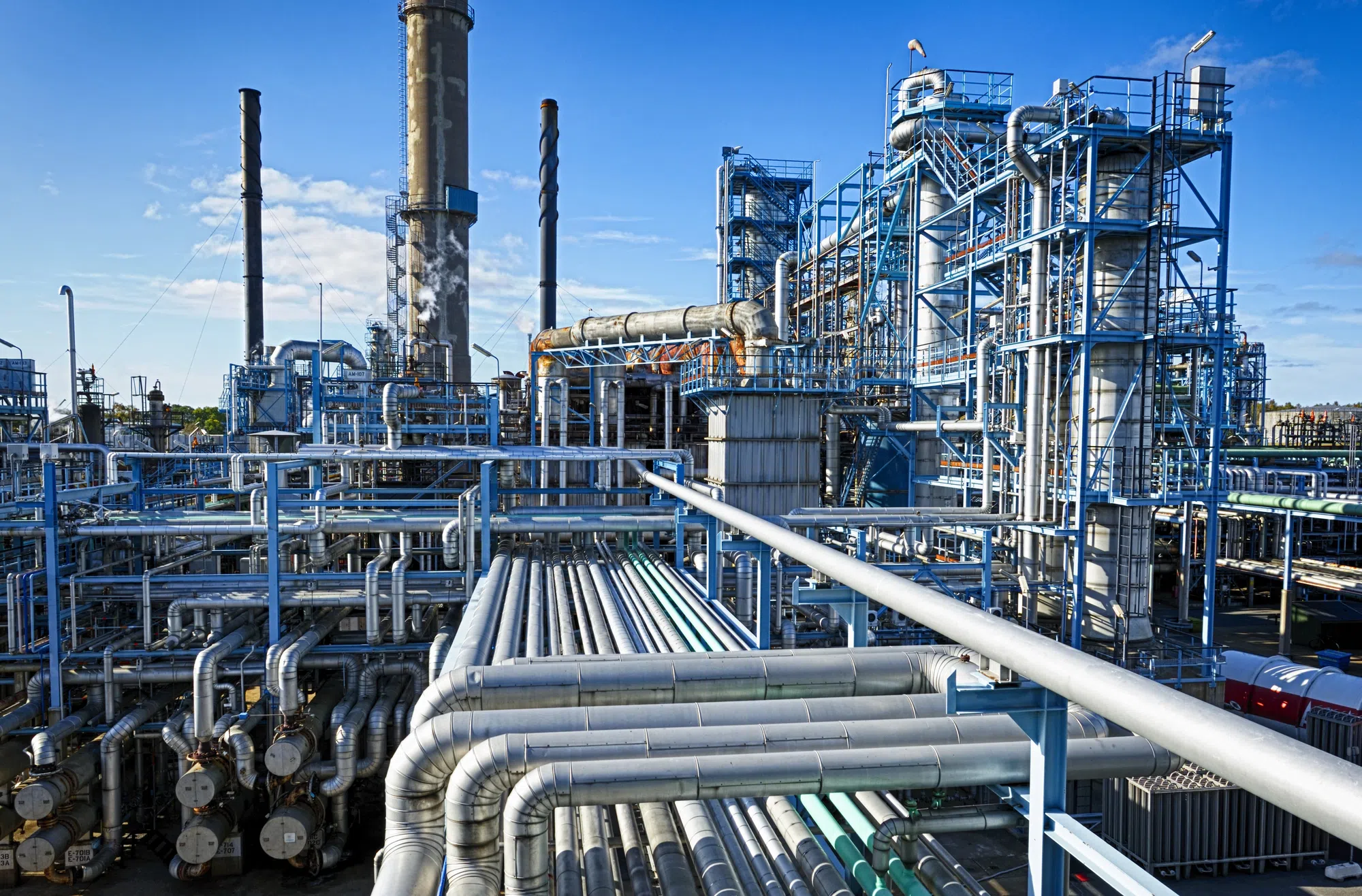
lagereek / Depositphotos.com
Alberta and Ontario ink nation-building infrastructure deals at Calgary Stampede
CALGARY, AB— While visitors to the Calgary Stampede soaked in the rodeos and fairgrounds, Alberta and Ontario’s premiers were charting a different course—one aimed at transforming Canada’s economic future through pipelines, rail corridors, and nation-building trade infrastructure.
Alberta Premier Danielle Smith and Ontario Premier Doug Ford signed two new memoranda of understanding (MOUs) Sunday that promise to fast-track major energy and transportation projects between the two provinces. Framed as a direct challenge to federal policy and a call for Canadian unity in the face of global and economic pressures, the agreements focus on reviving oil and gas pipelines, expanding rail networks, and unlocking port access in both James Bay and southern Ontario.
“Alberta and Ontario are joining forces to get shovels in the ground and resources to market,” said Smith, calling the deal a long-overdue move to unleash Canada’s economic potential. Ford echoed the sentiment, stating, “Together, we are building the infrastructure we need to protect Canada, our workers, businesses and communities. Let’s build Canada.”
At the heart of the agreements is a renewed effort to develop strategic trade corridors that connect Alberta’s abundant natural resources—including oil, gas and critical minerals—with domestic processing centres and international markets. This includes proposed new pipeline routes and enhanced rail capacity, seen as key to addressing the bottlenecks currently limiting energy exports.
Alberta’s push to ship more oil eastward by rail and pipeline has grown more urgent amid mounting frustration with federal legislation such as the Impact Assessment Act and the Oil Tanker Moratorium, which provincial leaders say discourage investment and delay essential projects. The MOUs call for repealing or significantly amending these and other federal regulations, including the Clean Electricity Regulations and the Oil and Gas Sector Emissions Cap.
The first MOU focuses on the development of end-to-end infrastructure to move Alberta’s energy products—via both pipeline and rail—through Ontario’s ports and transportation hubs. This includes a joint feasibility study planned for later this year to assess private-sector-led investments in rail, pipeline and port development. The provinces have also pledged to coordinate supply chain development for refining, processing, and exporting energy and minerals.
While Canada has often struggled to get new pipelines built in recent years, both Smith and Ford argue that interprovincial collaboration may be the key to getting past political gridlock and federal barriers. The agreement also signals a shift toward using rail transport more strategically—particularly for oil shipments—as provinces look for immediate options to increase export capacity without awaiting lengthy federal reviews.
The second MOU broadens the partnership beyond energy, laying the groundwork for Alberta to explore purchasing more made-in-Canada vehicles for its government fleet, while also tackling interprovincial liquor trade barriers. These elements reflect a wider vision of breaking down internal trade obstacles and strengthening economic ties between Canada’s largest manufacturing hub and its energy powerhouse.
Provincial ministers say the MOUs are more than symbolic.
“These MOUs with Ontario build on the work Alberta has already done with Saskatchewan, Manitoba, Northwest Territories and the Port of Prince Rupert,” said Alberta Transportation Minister Devin Dreeshen. “We’re proving that by working together, we can get pipelines built, open new rail and port routes, and break down the barriers that hold back opportunities in Canada.”
Ontario’s role as a manufacturing and export leader makes it a natural partner, officials said, particularly as both provinces seek to reduce reliance on U.S. trade routes and expand Canada’s global reach.
The two provinces will strike steering committees to guide implementation and stakeholder engagement, with an emphasis on Indigenous partnerships, industry participation, and project financing.
“This is about jobs and energy security,” Smith said. “It’s time for government to get out of the way, partner with industry, and support the projects this country needs to grow.”
Ford added, “In the face of President Trump’s tariffs and ongoing economic uncertainty, Canadians need to work together to build the infrastructure that will diversify our trading partners and end our dependence on the United States.”
The agreements follow an earlier MOU signed June 1 by the two premiers, aimed at reducing interprovincial trade barriers and deepening economic cooperation. With Sunday’s announcement, Alberta and Ontario are doubling down on a shared economic vision that blends energy independence with infrastructure modernization.
As the midway at the Calgary Stampede roared with celebration, leaders from the country’s two most influential provinces quietly laid the groundwork for what they say will be Canada’s next great leap forward—one made not on horseback, but on rail and pipeline.


Comments