


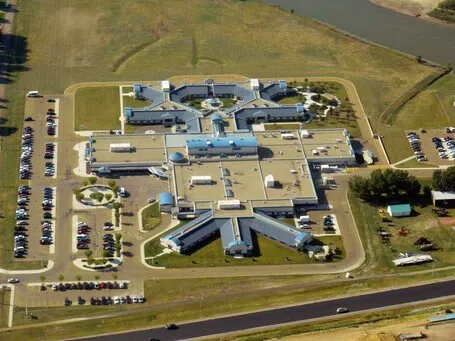
Drumheller Health Clinic, town of Drumheller web image
Alberta promises rural care boost, but questions remain over recruitment and retention
The Alberta government is rolling out more than $22 million in new spending to improve primary care in rural and remote parts of the province, but success may hinge less on money and more on whether enough professionals are willing to stay.
Two new programs are at the centre of the announcement: a $16-million bursary initiative aimed at bringing 74 family medicine residents to underserved communities by 2027, and a $6-million grant for 29 rural clinics to hire about 52 nurses, pharmacists, and other non-physician staff.
“This is a great example of how we’re delivering real improvements in primary health care,” said Adriana LaGrange, Minister of Primary and Preventative Health Services. “Our bursary program will help bring more family doctors to rural communities, and the team-based care grants mean Albertans will have better access to health professionals.”
The bursaries offer up to $200,000 to resident physicians who commit to working in eligible rural or remote communities after completing training through the Universities of Alberta or Calgary. Applications are open until early 2026 or until funds run out.
But whether the funding will translate into lasting care improvements remains to be seen. Alberta officials acknowledge that resident physicians are more likely to practise in the communities where they train, but long-standing recruitment and retention challenges in rural health care persist.
“The Rural Team Recruitment Grant is a meaningful step forward for health care in rural Alberta,” said Ron Wiebe, parliamentary secretary for rural health (north). “When clinics can hire more team members, people get access to the care they need faster and closer to home.”
Clinics in towns like Drumheller, Cold Lake, Peace River and Barrhead are among the first to benefit. A second intake for the grant program is expected to open soon.
The funding is part of Alberta’s Rural Health Action Plan and aligns with the broader Modernizing Alberta’s Primary Care System (MAPS) strategy. It is being delivered under the Canada-Alberta health agreement.
Still, some observers may question whether cash alone will resolve the deep-rooted staffing shortages that have long plagued rural Alberta.


Comments