


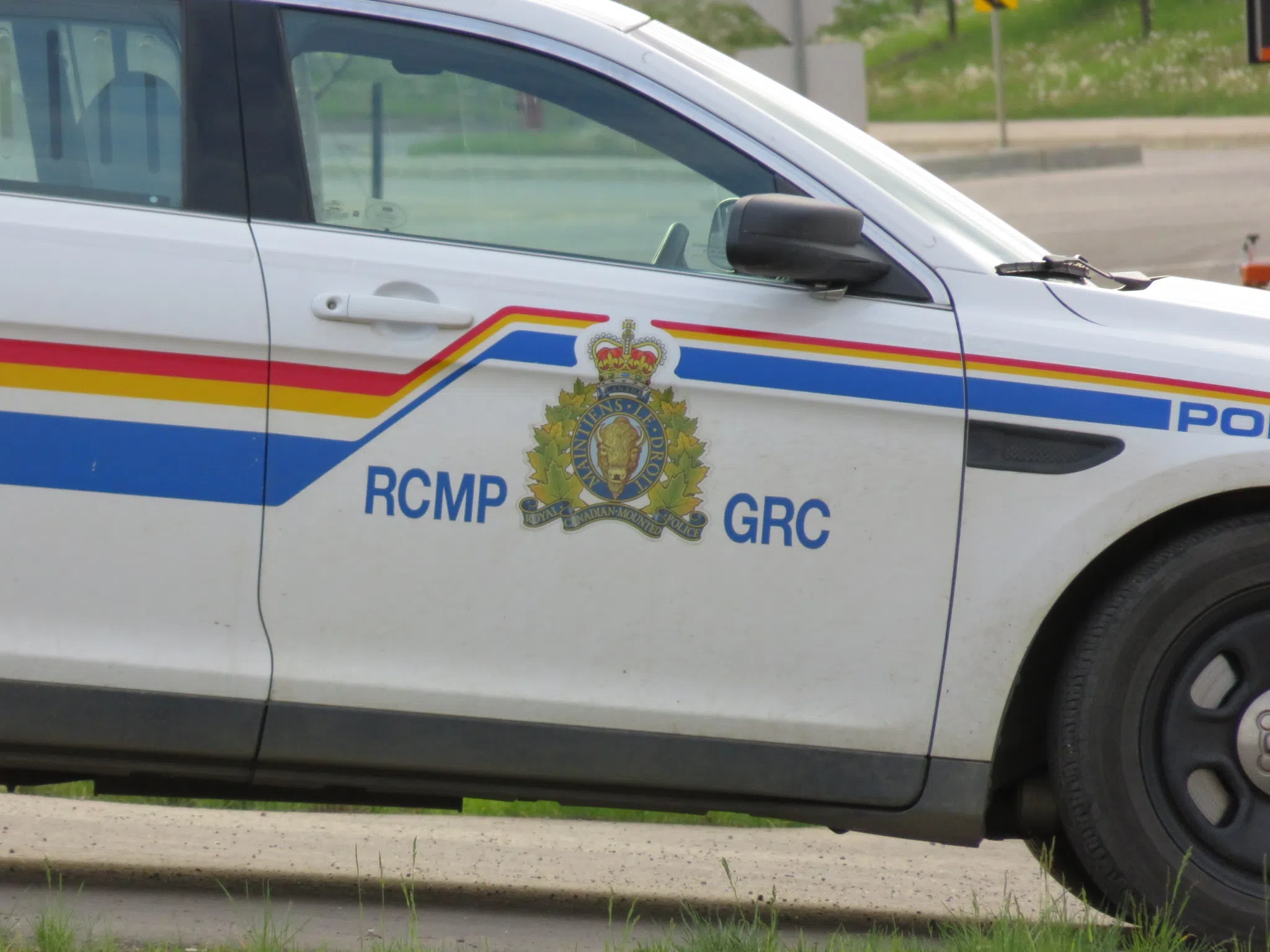
In the fourth installment of Harvard Media News’ look inside the Wood Buffalo RCMP, we delve into what exactly happens when a resident calls those three famous numbers, 9-1-1.
RCMP explains how its operators handle thousands of calls a year and why using the right line matters
FORT McMURRAY, AB. — When a resident of Fort McMurray dials 9-1-1, the call sets off a multi-step process aimed at getting help to the scene as quickly and safely as possible. Calls first go to the Regional Emergency Services 9-1-1 Dispatch Centre, where dispatchers confirm the location, phone number and nature of the emergency before transferring police-related calls to the RCMP Operational Communications Centre (OCC).
The OCC is the central hub for all RCMP emergency and non-emergency calls across Alberta, operating around the clock every day of the year. In 2024, it received more than 665,000 phone calls, including 262,000 9-1-1 calls, and created over 370,000 case files. Operators gather details and prioritize incidents before dispatching officers. Calls that pose an immediate threat to life are treated as Priority 1, while less urgent situations — such as a theft discovered after the fact — are assigned lower priority.
If a call requires multiple emergency services, dispatchers follow strict protocols to determine which responders should attend first. For instance, when a crime is in progress or there’s a safety concern, police are typically dispatched before fire or medical teams, who may be staged nearby until the scene is secure. The RCMP’s “closest car” policy also means the nearest available officer will attend urgent calls, regardless of jurisdiction.
RCMP say non-emergency incidents, including property damage under $5,000, scams with no financial loss or lost property, should be reported to 310-RCMP. This province-wide non-emergency line, introduced this spring, allows Albertans to connect with the RCMP without needing to know which detachment serves their area. These lower-priority incidents can also be reported online using the Alberta RCMP app or at rcmp-grc.gc.ca.
Officials say using the appropriate line helps OCC operators focus on emergencies. While the average response time for non-urgent calls may be longer, the RCMP stresses it does not reflect how quickly officers respond to life-threatening situations. Residents are encouraged to call 9-1-1 for immediate threats and use 310-RCMP for routine matters.
No matter the time of day or where you are in Canada, the RCMP stand ready to render assistance to those in need. Whether called on to help safely evacuate an entire city, or locate a missing person, the nearly 200 members of the Wood Buffalo Detachment are just a phone call away. Next week we go behind the scenes to Alberta’s RTOC – Real Time Operations Centre where we’ll look at the technology and systems used to ensure the force operates safely and efficiently throughout the province.


Comments