


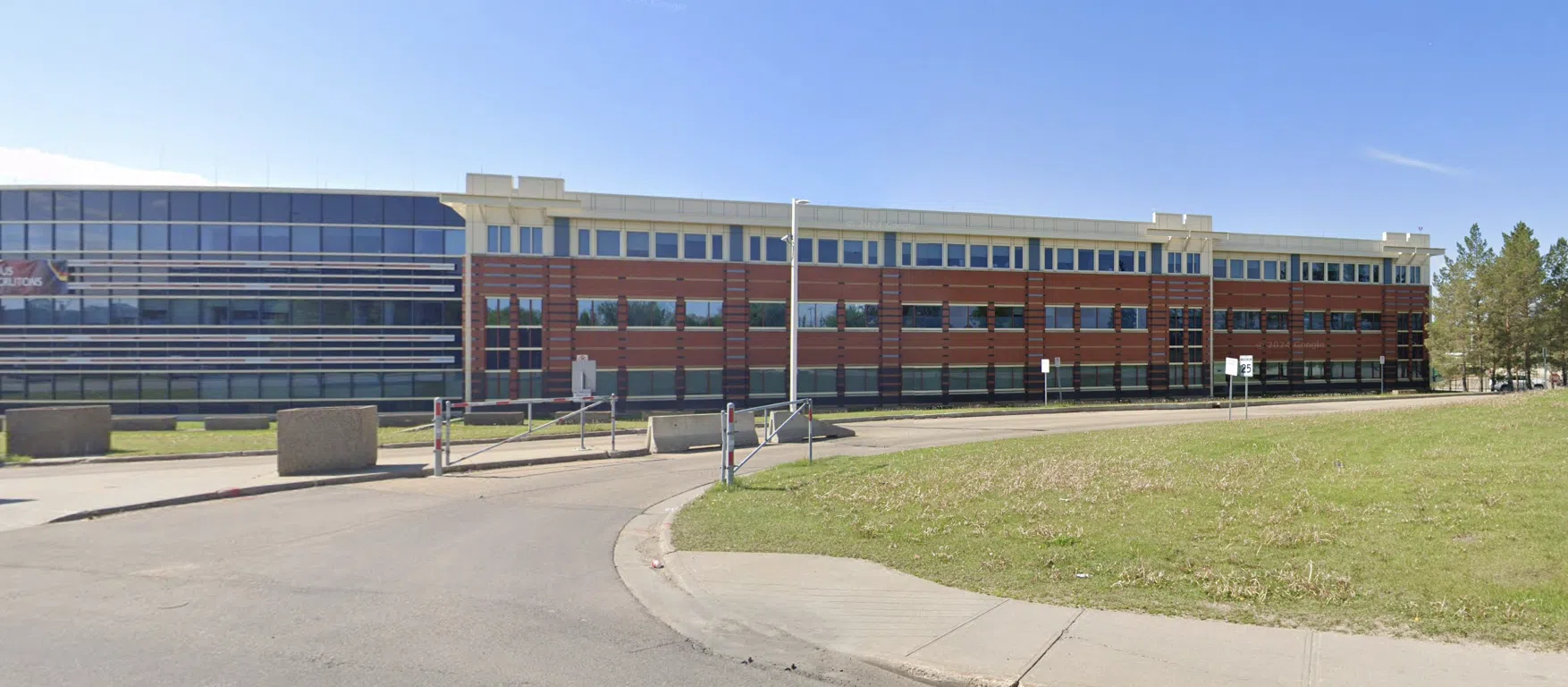
Alberta RCMP K-Division HQ
Inside Alberta’s Real Time Operations Centre: the unseen force making sure criminals don’t stand a chance
EDMONTON — The RCMP’s Real Time Operations Centre is where Alberta’s most urgent police calls meet split-second strategy, and where, more often than not, criminals lose before they even know they are in the game.
In part one of the story, Harvard Media News gave you a glimpse inside the glass-walled, high-tech room in Edmonton, where experienced officers track unfolding incidents in real time, directing resources with the precision of a championship coach. Their work means that even in the smallest and most remote detachments, the public is never left unprotected. Here are just a few real examples of the 15,000 events RTOC was called into action
Late last month, a violent incident in Lac La Biche put the centre to the test ensuring a rural community did not go unpoliced. The small town a few hours south of Fort McMurray has just five RCMP officers providing local law enforcement. All five had to respond when a disturbance call turned into a life-threatening situation. Police say a man armed with two knives allegedly attacked one of the officers, stabbing them. Another officer discharged their firearm, fatally striking the suspect.
With every local officer tied up at the scene, the public nightmare became a real possibility; what happens if you call for 9-1-1 and nobody is there to help? RTOC staff were not going to let that potential become a reality. They quickly identified members in Boyle and Athabasca who could redeploy to Lac La Biche. The move meant that if someone called 911 during the crisis, officers would still be there to respond.
That ability to see the big picture from the air and ground to react instantly was also on display last winter in Red Deer. A potentially armed suspect had carjacked a vehicle, and when the public called 911, the case was escalated to RTOC. Inspector Ryan Breitkreuz, the officer in charge of the centre, and his team immediately launched aerial reconnaissance.
From above, the stolen vehicle was tracked and marked. The aerial image shifted to a black-and-white thermal display, revealing which vehicles were running and which were not. Unmarked cars on the ground kept the suspect under watch without tipping them off.
The surveillance was so discreet that the suspect stopped at a drive-through for food, unaware police were closing in. Unmarked vehicles moved into direct visual range, police dog units were placed at strategic points, and tactical teams were staged for the takedown.
When the suspect pulled into a parking lot to eat their food, three unmarked RCMP vehicles boxed in the stolen ride. Tactical officers overwhelmed the suspect from all directions while two police dog teams stood ready in case of a foot chase, and the suspect surrendered without incident.
What most of the public never saw was the complexity of the setup. Regular traffic passed through the area without realizing that an armed arrest was about to unfold. From the air and the ground, RTOC orchestrated the event to remove the threat without endangering bystanders.
For officers on the ground, the expertise of RTOC is a click away. The centre’s staff have decades of policing experience, and they combine it with the latest technology to support members in the field. The atmosphere inside is calm and focused, even in high-stakes situations where others might be on edge.
Inspector Breitkreuz relayed a memorable moment from the early days of RTOC first being established. A domestic argument escalated to the point where an aggravated assault occurred. The male left the home in his car. While the responding officers took details of the events, they relayed the information to RTOC. The male, now a suspect in a crime, was long gone. Analysts in the operations centre sprung into action finding the man’s social media accounts, and through those accounts, developed a list of locations the suspect may be. Officers were deployed to the addresses, and the suspect was apprehended a short time later.
The simple decision of the bringing RTOC into the investigation resulted in a quick, safe, and easy arrest of the suspect. It saved what could have been hours of police work by multiple units canvassing a large urban area. No need for overtime. No need for an extensive manhunt. Just teamwork allowing the RCMP to take a pinpoint strategy to the search.
Breitkreuz says the approach is about working smarter, not harder. In a province as vast as Alberta, where backup can be hours away, that combination of skill and technology is a force multiplier.
Alberta and the North are fortunate to have such a resource. It protects citizens and officers while also saving public funds, and it delivers results that other provinces could benefit from. For Breitkreuz and his team, the mission is simple: keep the public safe, keep officers supported, and make sure that, in this part of Canada, criminals just do not stand a chance


Comments