


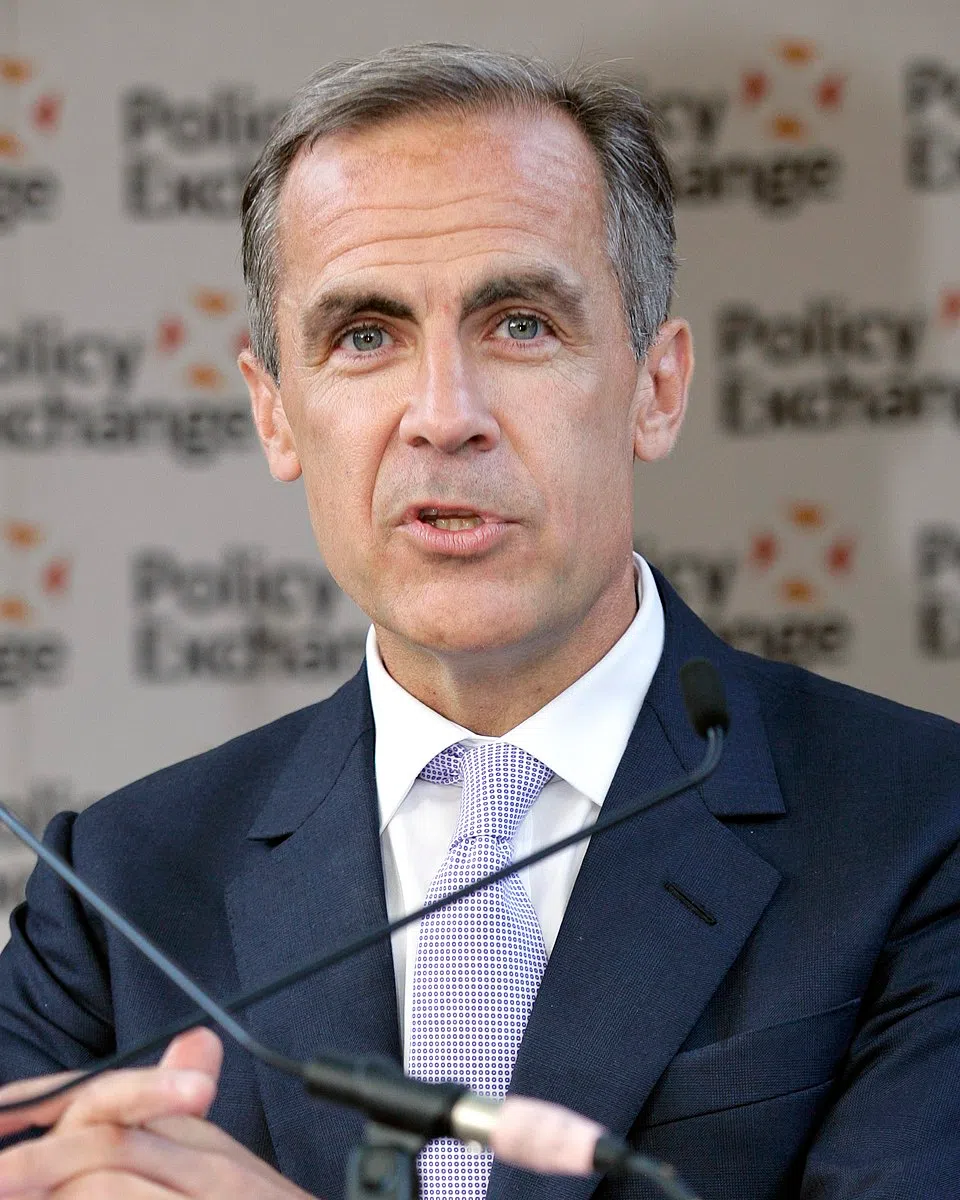
Mark Carney at a Policy Exchange summer party, August 2015
OTTAWA — Prime Minister Mark Carney is ending the long-standing tradition of spring federal budgets, with the government announcing Monday that the country’s annual spending plan will now be presented each fall.
Finance Minister François-Philippe Champagne said the shift will permanently move the fall economic statement to the spring and make fall budgets a fixture of the fiscal calendar. Officials say the change will better align the timing of budgets with the release of the government’s Main Estimates, which outline annual federal spending and are tabled each spring in Parliament.
The new schedule is meant to give governments, the private sector, and municipalities more time to plan around federal decisions before the construction season begins each spring. It also brings Canada in line with OECD best practices by tabling budgets before the start of the fiscal year.
The Nov. 4 budget — Carney’s first as prime minister — will also introduce a new way of presenting federal finances by splitting spending and revenues into operational and capital categories. Operational spending will include health and social transfers, as well as the cost of running government, while capital spending will cover infrastructure funding, investment tax credits, and housing initiatives.
Officials say the change will improve transparency and give Canadians a clearer view of how much the government invests in long-term projects versus day-to-day programs. The distinction will not replace the overall fiscal ledger but will serve as an additional “lens” on federal finances.
Carney, a former governor of both the Bank of Canada and the Bank of England, campaigned on balancing the operational side of the federal budget within three years. However, Finance officials declined Monday to specify how much spending falls under each category or which revenues will be used to achieve that balance.
The announcement comes amid warnings from the Parliamentary Budget Officer about rising deficits and debt. The federal deficit is projected to grow from $51.7 billion in 2024-25 to $68.5 billion this year, while the debt-to-GDP ratio is expected to climb over the medium term.
Conservative critics have pointed to those figures as evidence of fiscal mismanagement, citing $8.3 billion in new defence spending and lower-than-expected revenues from tariffs and income taxes. The Carney government is also pursuing a review aimed at cutting nearly $25 billion in spending over the next three years, which experts warn could lead to federal job losses and program reductions.


Comments