


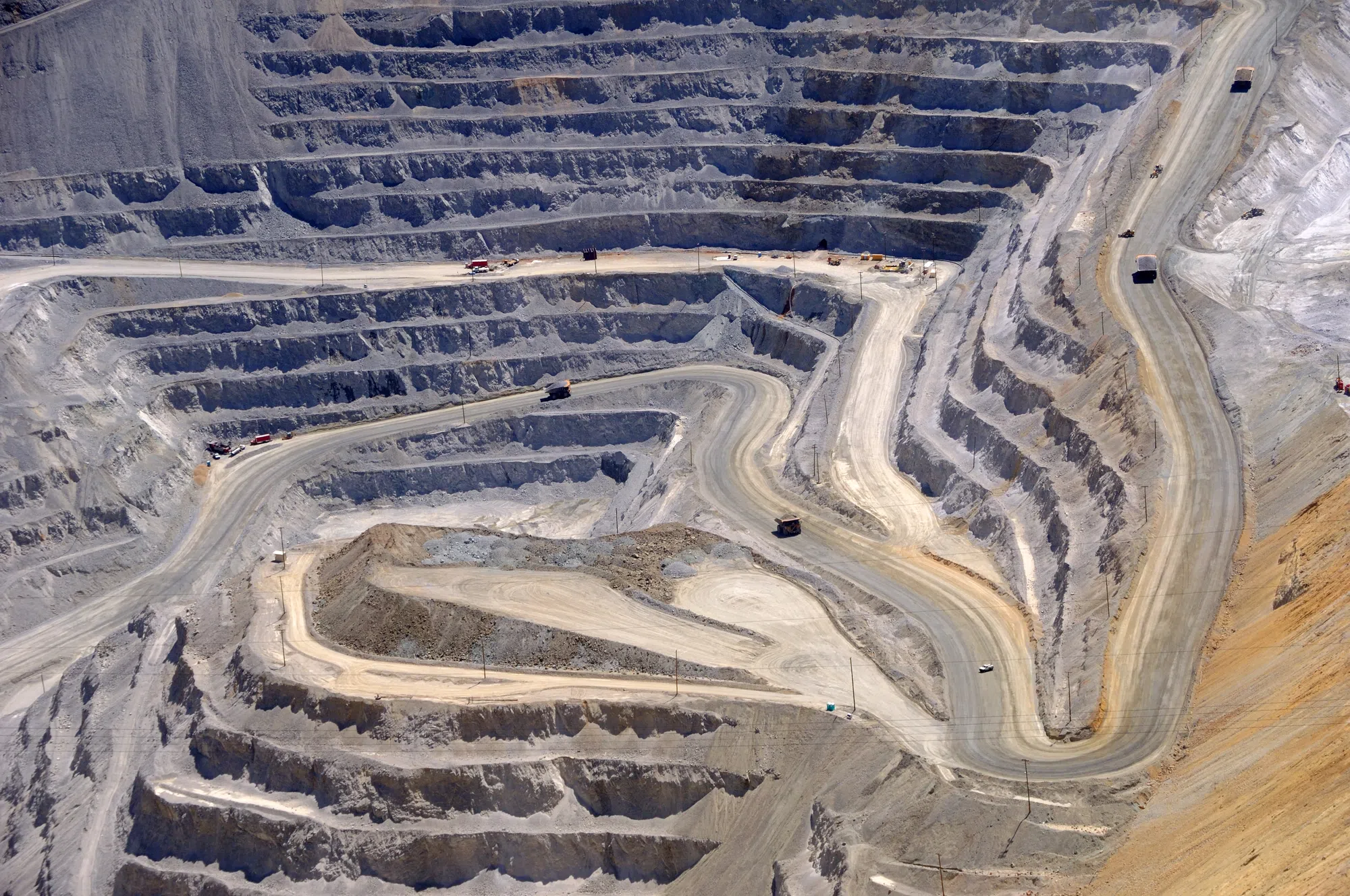
gwhitton / Depositphotos.com
MONTREAL — A new national survey suggests Canadians broadly support mining the critical minerals needed for renewable energy technology, but want strong environmental safeguards and meaningful public participation before projects move ahead.
The first Social Acceptability Barometer for Canada’s Mining Sector, released by Transfert Environnement et Société with research firm Voconiq, surveyed more than 4,800 people across every province and territory. The report arrives shortly after Ottawa announced a five year, two billion dollar Critical Minerals Sovereign Fund in its Nov. 4 federal budget.
Seven in ten respondents said minerals such as lithium, nickel, copper and rare earth elements are essential to Canada’s energy future, and a similar proportion preferred domestic production over imports. Gold is still widely valued, but support for opening new local gold mines was more cautious. Researchers say the results point to a gap between national level support and local concerns, with respondents tying acceptability to environmental management, site restoration and worker protections.
More than three quarters of respondents said the mining sector is important to jobs, regional development and the energy transition, and about 60 percent felt its benefits outweigh its costs. But the survey found confidence in mining companies was significantly lower than overall acceptability, reflecting a belief that firms prioritize profit and efficiency over community wellbeing.
Participants generally viewed the country’s regulatory framework as solid, though confidence in enforcement varied. Saskatchewan and Newfoundland and Labrador recorded higher levels of trust in oversight, while Yukon and Quebec reported lower scores.
The study found procedural fairness remains a weak point. Only about one in three respondents felt they could meaningfully participate in decisions about mining projects. Researchers say this perception of limited influence undermines public trust even when people support the industry’s economic role.
Environmental expectations remained high. About 70 percent of respondents believed mining contributes to climate change, and nearly half expressed concern about water quality and site restoration. The report says Canadians want concrete action to protect biodiversity as the sector expands to meet clean energy demand.
Indigenous participants, particularly First Nations respondents, reported somewhat higher levels of trust and acceptability, which researchers say may be linked to formal agreements such as Impact Benefit Agreements. Still, 44 percent of the general public felt Indigenous Peoples do not have enough influence in mining decisions.
The survey was conducted from Aug. 27 to Sept. 14 and reflects demographic and regional diversity based on 2021 census data. A separate report focused on Quebec findings was also released.


Comments