


InkDropCreative / Depositphotos.com
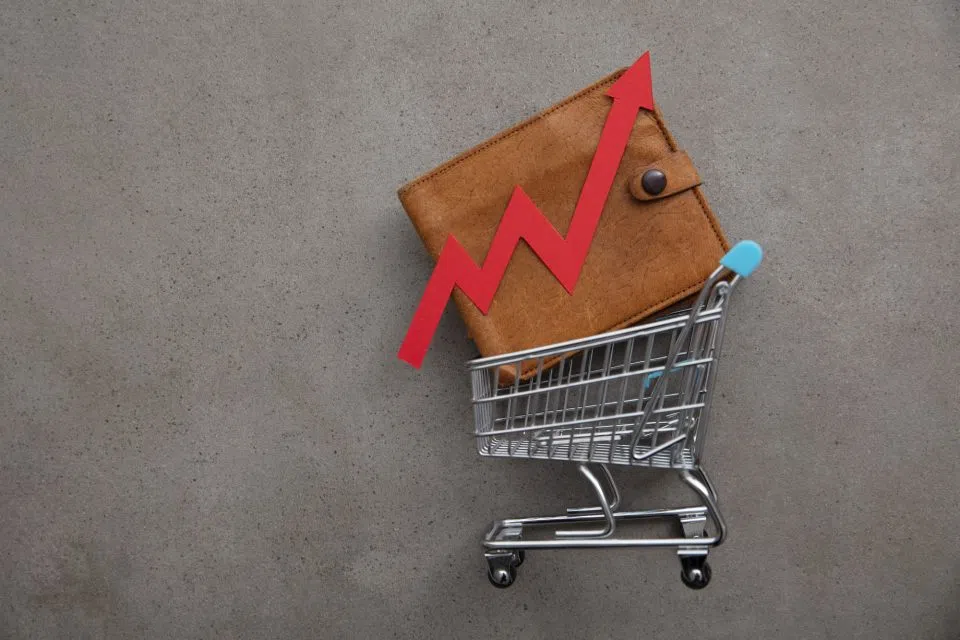
HALIFAX — Canadians are continuing to feel the strain of food inflation, with new reports showing grocery prices rising faster than most other household costs as 2025 comes to a close. Researchers say the pace of increases has slowed slightly, but food remains the single biggest financial concern for most households.
A fall report from Dalhousie University’s Agri-Food Analytics Lab found the average household now spends five hundred fifteen dollars a month on food, with one in five households paying more than six hundred. Meat, coffee and nuts have seen some of the steepest increases. Whole chicken prices are up more than 20 per cent compared with last year, while coffee has risen nearly 30 per cent. Ground beef has climbed by more than 17 per cent.
Canadians are adapting by seeking sales, using coupons and cutting back on non-essential items. Restaurant spending is also down, with most households limiting takeout to less than one hundred dollars a month. The shift has contributed to changes in eating habits, including fewer omnivores and more people adopting flexitarian eating patterns in response to rising protein prices.
Food insecurity is also reaching record levels. New data cited in the Dalhousie report estimates that more than one quarter of Canadians are struggling to afford groceries. While other household costs such as utilities and transportation are also rising, researchers say the impact of food inflation exceeds all other categories combined.
Despite the pressure, analysts say Canadians are cautiously optimistic about 2026. While most expect food prices to continue climbing, many anticipate increases in the range of two to seven per cent, a moderation that could bring some relief after nearly two years of steep gains.


Comments