


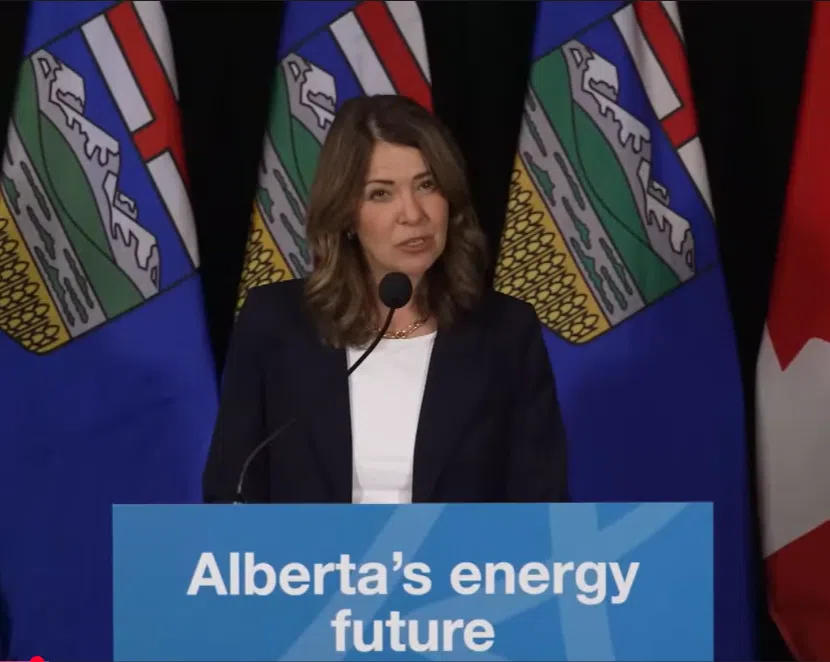
Unleashing Alberta's Energy Future Press Conference, Nov 26, 2025
OTTAWA — Alberta and the federal government have struck a sweeping new energy agreement that both sides say will reshape Canada’s economic future, expand market access for Alberta oil and accelerate investment in low carbon technologies.
The memorandum of understanding, signed Thursday, commits Ottawa to backing a new Indigenous co owned bitumen pipeline to a deep water port on the West Coast. The project would move more than one million barrels a day to Asian markets and operate alongside the expansion of the Trans Mountain pipeline.
The federal government also pledged not to impose its planned oil and gas emissions cap, a policy Alberta argued would have constrained production. The deal lifts the federal Clean Electricity Regulations for Alberta and commits both governments to developing thousands of megawatts of AI computing capacity in the province, including sovereign computing infrastructure for Canada and its allies.
Both sides also agreed to join the Pathways Alliance in financing and building what they describe as the world’s largest carbon capture, utilization and storage network. The project aims to make Alberta bitumen the lowest emission intensity heavy oil in the world and help Canada reach net zero by 2050.
The agreement includes a timeline for new long term industrial carbon pricing rules for major Alberta emitters, a methane reduction target of 75 per cent by 2035 and a commitment to consult with Indigenous communities and British Columbia to ensure their participation and economic benefits.
Alberta officials say the deal will reduce regulatory uncertainty, boost global competitiveness and unlock hundreds of thousands of jobs tied to energy development, AI infrastructure and large scale emissions reduction projects.
Premier Danielle Smith called the pact a turning point for the province and the country.
“This is Alberta’s moment of opportunity to take the first steps toward being a global energy superpower and show the nation that resource development and sustainability can coexist,” she said. “There is much hard work ahead of us, but today is a new starting point for nation building as we increase our energy production for the benefit of millions and forge a new relationship between Alberta and the federal government.”


Comments