


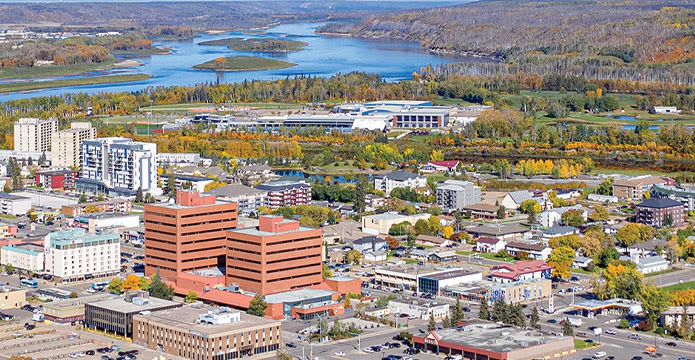
Aerial photo of lower townsite, Fort McMurray. Image via rmwb.ca
FORT MCMURRAY – Fort McMurray Wood Buffalo is growing again for the first time in a decade, according to the municipality’s 2025 census, which shows the region’s population rose to 107,740.
The figure represents a 1.6 per cent increase from the last municipal census in 2021 and marks the largest growth in the permanent population in 10 years.
Mayor Sandy Bowman said the results point to a community that is stabilizing and becoming more rooted.
“This is the largest growth in the permanent population we’ve experienced in a decade,” Bowman said in a statement, thanking residents who participated in the census.
The census shows a significant shift away from a temporary workforce toward permanent residency. Since 2021, the number of permanent residents has increased by 11.16 per cent, while the number of temporary workers living in camps or short-term accommodations has dropped by 22.15 per cent. The number of work camps in the region declined to 25 from 68.
Municipal officials say the change suggests more people are choosing to settle long term, raise families and buy homes in the region.
Fort McMurray Wood Buffalo remains a young, working-age community, with 43 per cent of residents between the ages of 20 and 44. The largest age cohort has shifted from those aged 35 to 39 in previous census cycles to those aged 40 to 45 in 2025, a trend the municipality says reflects residents staying longer.
The share of residents aged 15 to 24 has also grown to 12 per cent from 10 per cent in 2021, while seniors aged 65 and over now make up 5.5 per cent of the population, an increase of 1.2 percentage points. The municipality says some seniors are moving to the region to be closer to family, while others are choosing to remain after retirement.
Migration data shows most newcomers continue to arrive from within Alberta, accounting for just over 51 per cent of those who moved to the region. Ontario followed at 13.36 per cent, with Newfoundland and Labrador at 10.27 per cent. Family connections, housing availability and employment opportunities were cited as the main reasons for relocating.
The census also found that nearly 30 per cent of residents have lived in the region for more than 10 years, with more than 23 per cent calling Wood Buffalo home for over two decades.
For years growth in Fort McMurray was stifled by a series of events ranging from geopolitics to federal policies aimed at curtailing growth in the oil and gas sector. Harvard Media News reached out to former Environment Minister, Steven Gilbeault -architect of many of the policies- for comment, but his office has not yet responded.
For the first time, the municipal census included questions about household pets. More than 18,000 pets were reported, information the municipality says will help with planning for emergency preparedness, veterinary services and pet-friendly spaces.
The population figure is still under review by the provincial government, which must formally approve municipal census results. Alberta has accepted all findings except for an estimated portion of about 5,000 residents tied to dwellings where census staff were unable to make contact.
The municipality said it followed provincial guidelines by using an extrapolation tool to estimate household sizes in those cases, noting the number of non-contact dwellings was higher than in previous years due in part to downtown hotels being converted into apartment buildings.
The municipality said it is confident in the overall population estimate and will continue working with the province to address the outstanding portion.
The full Census 2025 report and interactive data dashboard are available on the Regional Municipality of Wood Buffalo website.


Comments