


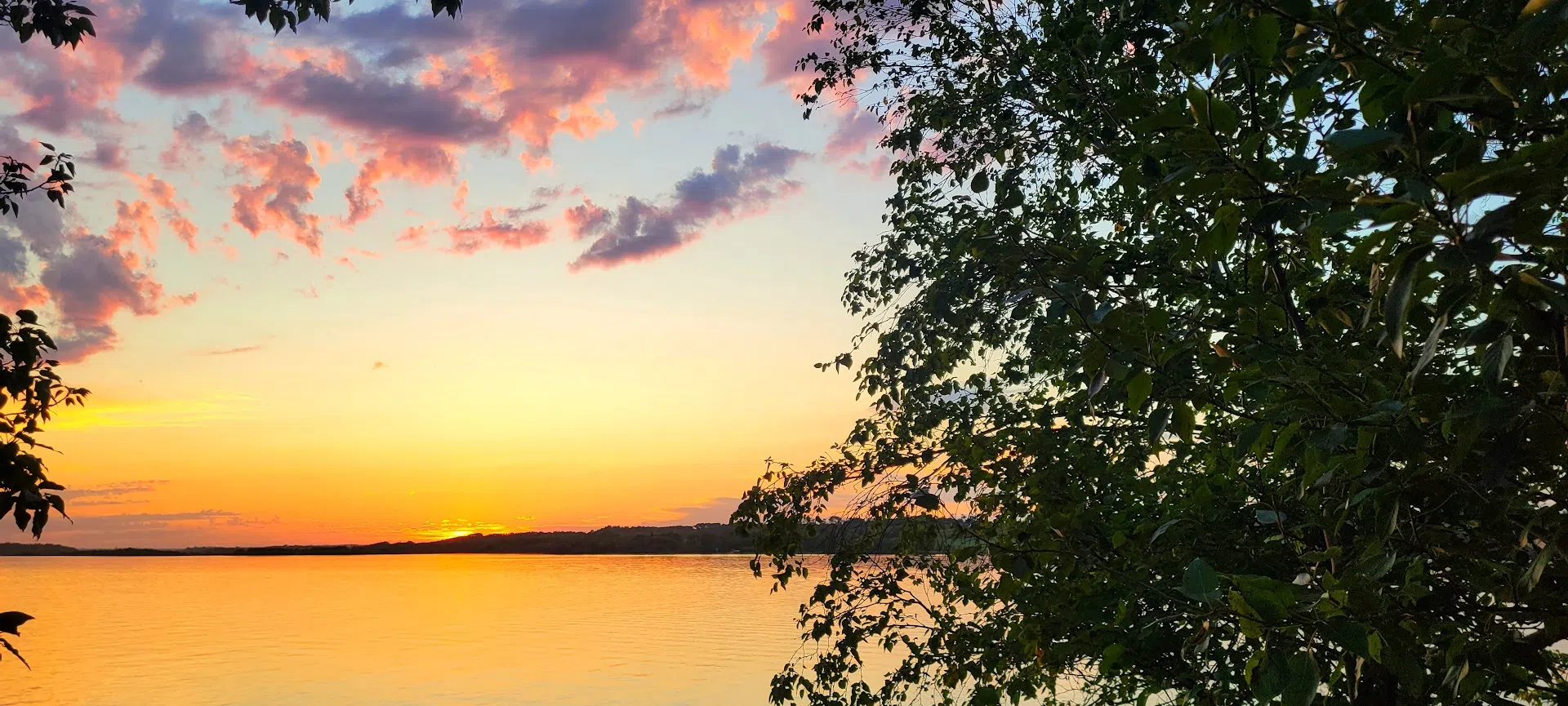
Lake surrounded by forest. Image by Jon Tupper
OTTAWA — Canada’s boreal forest is expanding northward as the climate warms, according to new satellite analysis spanning more than three decades.
The study, published in the journal Biogeosciences, examined imagery from NASA’s Landsat program between 1985 and 2020 and found the world’s largest terrestrial biome has both grown in area and shifted toward higher latitudes.
Researchers reported a roughly 12 per cent increase in boreal forest cover across the biome over the study period, amounting to about 0.844 million square kilometres of expansion. The average latitude of forest cover moved north by approximately 0.29 degrees, with the most significant gains occurring between 64 and 68 degrees north.
Canada contains the largest share of the global boreal forest, which also spans parts of Alaska, Scandinavia and Russia. The biome has experienced some of the fastest warming of any forested region, with surface temperatures rising about 1.4 C over the past century, according to the research.
Scientists say the expansion has implications for the global carbon cycle. Younger boreal forests, up to 36 years old, were estimated to store between 1.1 and 5.9 petagrams of carbon. If allowed to mature, those stands could sequester billions of additional tonnes of carbon dioxide, acting as a growing carbon sink even as climate change reshapes the region.
The researchers analyzed more than 224,000 satellite scenes at 30-metre resolution to produce annual maps of tree cover across the boreal zone, creating one of the most detailed long-term records of forest change to date.
The findings suggest climate-driven shifts are gradually transforming Canada’s northern landscapes, while also highlighting the boreal forest’s evolving role in absorbing greenhouse gases.


Comments