


Nanisimova_sell / Depositphotos.com
CALGARY — Alberta is spending $400 million to add five new water bombers to its aging firefighting fleet, with the first aircraft expected to be delivered in 2031.
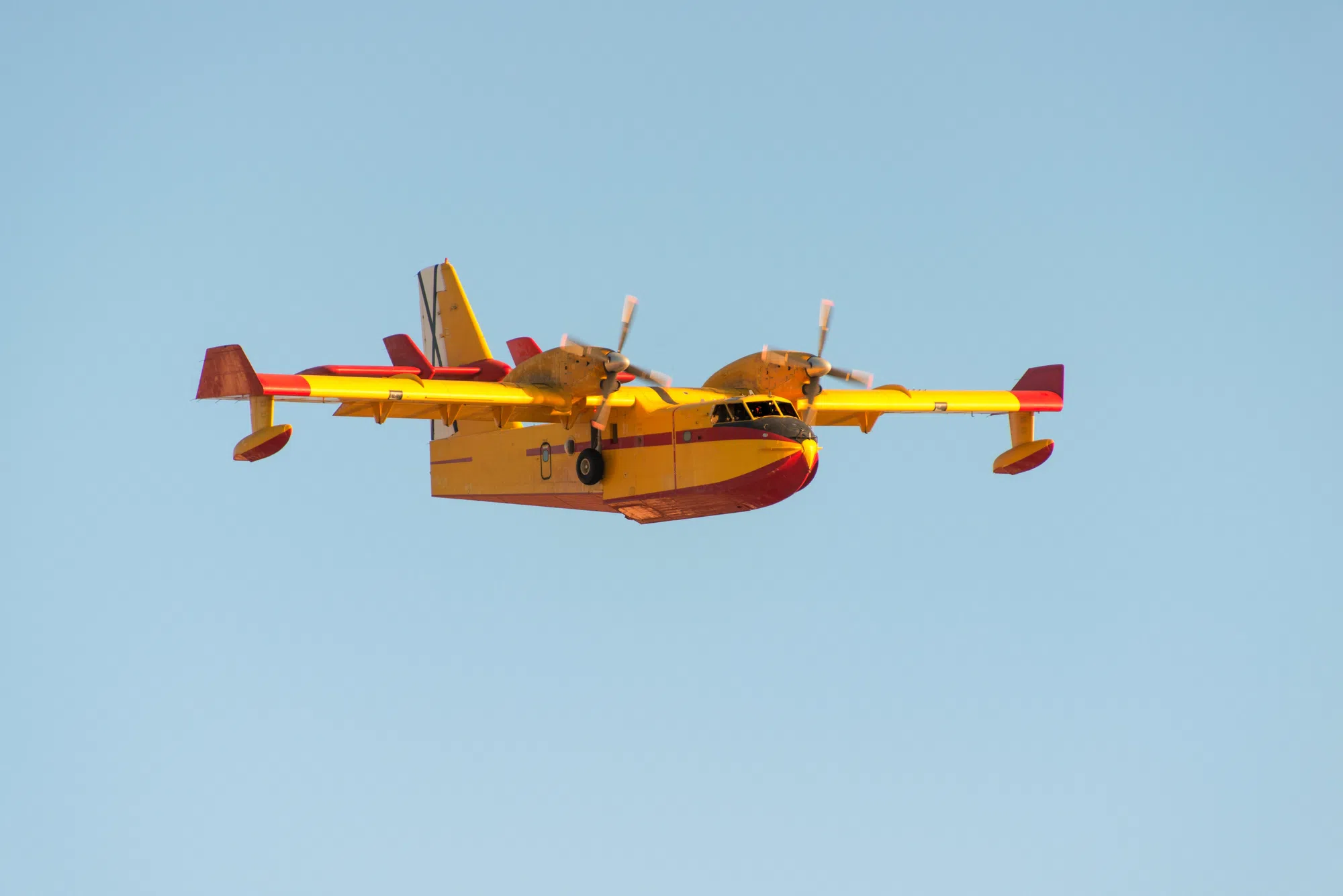
The province says the deal with Calgary based De Havilland Aircraft of Canada will see it acquire five Canadair DHC 515 amphibious aircraft over the next several years.
Forestry Minister Todd Loewen says the purchase will help ensure new planes are coming online as older aircraft approach retirement.
“This is an opportunity to build up our personal fleet and make sure as those other planes age that we have planes coming online for them,” Loewen said.
The DHC 515 can skim bodies of water and fill its 6,100 litre tank in about 12 seconds.
Premier Danielle Smith says the funding is separate from the $160 million Alberta spends annually on wildfire response.
The province says 18 air tankers were available to respond to wildfires last year, four of them Alberta owned and contracted. Those four aircraft were built between 1986 and 1988.
Alberta has recorded more than 1,000 wildfire starts on average each year over the past decade, the second highest total in Canada behind British Columbia.
Loewen says the existing aircraft still have operational life remaining, but the government does not want to wait until they are retired before expanding capacity.
The province says the purchase is expected to create about 1,000 jobs.
Brian Chafe, chief executive officer of De Havilland Canada, says the order is significant for the company and the province.
“It’s a big deal when you get an order this size, but also it says a lot where you set up a large part of your business in a province and that province backs you,” Chafe said.
De Havilland announced the launch of the DHC 515 in March 2022 and said at the time that 22 aircraft had been earmarked for European customers.
Manitoba signalled last year its intent to buy three of the same planes.
The company has said the DHC 515 is designed to meet the operational challenges facing aerial firefighters as climate change contributes to longer and more intense wildfire seasons.
This report by The Canadian Press was first published Feb. 17, 2026.


Comments