


beach boy 2024 / Depositphotos.com
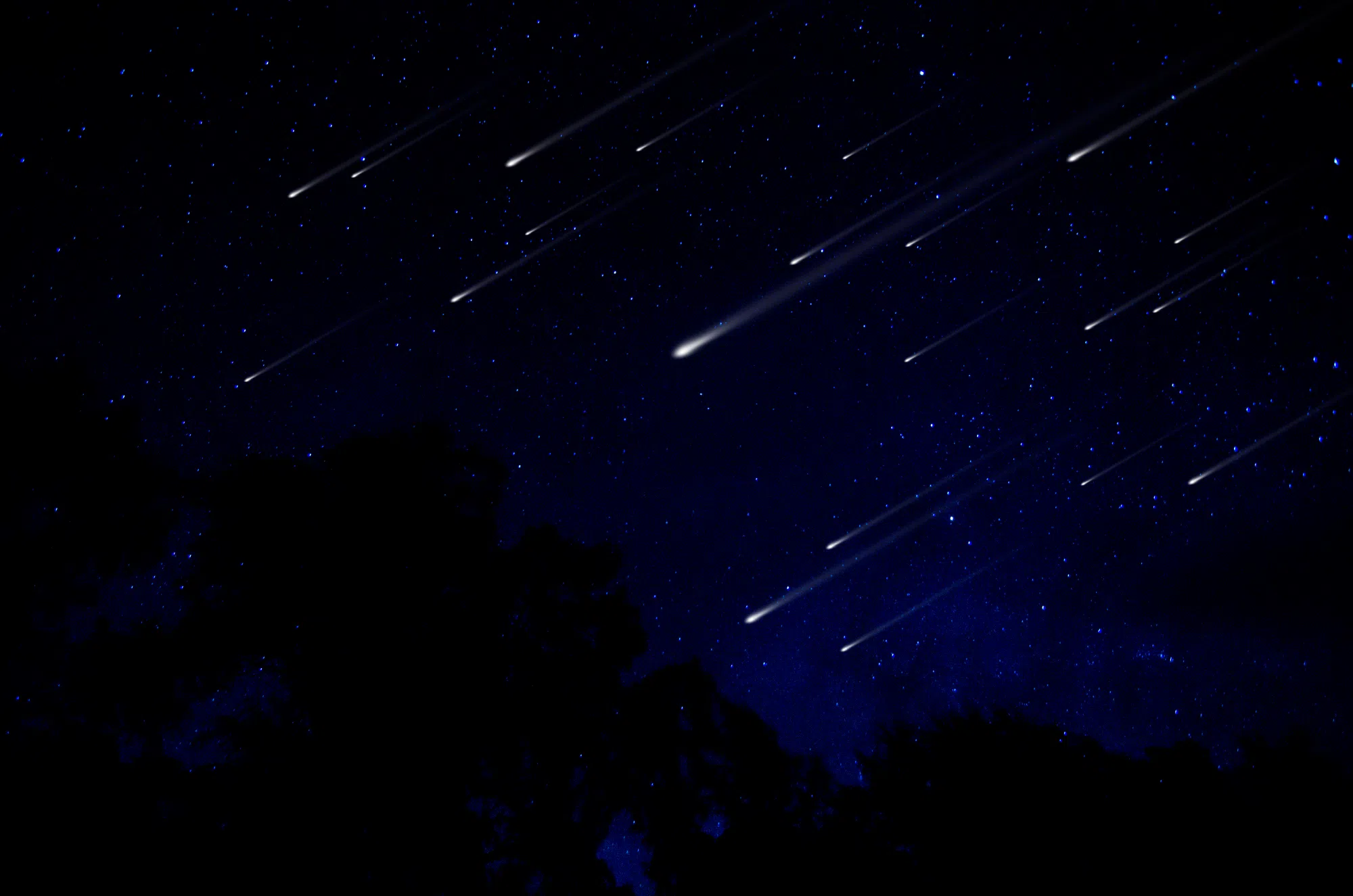
FORT MCMURRAY — There is just one week to go until the peak of the Orionid meteor shower. Wood Buffalo skywatchers could see some of the fastest meteors of the year streaking across the predawn sky.
The Orionids peak overnight Oct. 21 and 22 and can produce up to 20 meteors per hour under dark, favourable conditions. The shower is active from Oct. 2 through Nov. 7.
The meteors are comprised of debris left behind by Halley’s Comet, which last passed by in 1986. As Earth passes through the comet’s debris stream each October, the particles strike the atmosphere at about 68 kilometres per second.
Richard Covey, a an amateur astronomer, published astrophotographer and member of the Royal Astronomical Society of Canada, says the Orionids are especially appealing because of their speed and their connection to one of astronomy’s best-known comets.
“You’re literally watching tiny pieces of Halley’s Comet burn up in the atmosphere. They’re moving incredibly fast, so the Orionids can produce some very sharp, impressive streaks across the sky.”
Moonlight will make this year’s peak more challenging. The Moon will be bright around Oct. 21 and 22, washing out many of the fainter meteors for much of the night.
The best opportunity is expected in the hours before dawn, after the Moon has set and the sky becomes darker.
“This probably isn’t the year when you’re going to see every faint meteor, because the Moon is working against us. But once it gets out of the way before dawn, the brighter Orionids should still put on a good show,” Covey said.
The meteors appear to radiate from the constellation Orion, near the bright red star Betelgeuse, although observers do not need to stare directly at Orion. Meteors can appear anywhere across the sky.
Orion rises during the night and climbs higher toward morning, improving viewing conditions as the radiant rises above the horizon.
Covey says meteor watching requires little more than patience and a dark location away from streetlights.
“You don’t need a telescope or binoculars. In fact, they’ll make it harder because you want as much of the sky in your field of view as possible. Find somewhere dark, get comfortable, let your eyes adjust and just watch the sky.”
Observers should allow roughly 20 to 30 minutes for their eyes to adapt to darkness and avoid looking at bright phone screens during that time.
The Orionids are also known for leaving glowing trains that can linger briefly after a meteor disappears and can occasionally produce much brighter fireballs.
The shower has been observed for centuries and is one of two annual meteor showers produced by debris from Halley’s Comet. The Eta Aquariids each May come from the same parent comet.
If clouds interfere on the peak night, activity remains elevated for several days before and after Oct. 21 and 22, giving Fort McMurray Wood Buffalo residents more than one opportunity to catch the shower.


Comments