


OTTAWA — Strong oil prices and continued demand for Canadian energy are helping bolster federal finances as the Liberal government outlines its latest economic update.
Finance Minister François-Philippe Champagne tabled the spring update Tuesday, pointing to higher-than-expected revenues tied in part to elevated oil prices, which have contributed to a lower projected deficit for the 2025-26 fiscal year.
The government now estimates the deficit at $66.9 billion, down $11.5 billion from projections in last fall’s budget.
Officials say the improved fiscal position provides room for targeted investments, including a multi-billion-dollar plan to address labour shortages in the skilled trades sector. The government aims to recruit and train between 80,000 and 100,000 workers by the end of the decade to support major infrastructure and housing projects.
The update also incorporates the newly announced Canada Strong Fund, a national sovereign wealth fund designed to invest in large-scale projects, including energy, infrastructure and critical minerals, with an initial endowment of $25 billion.
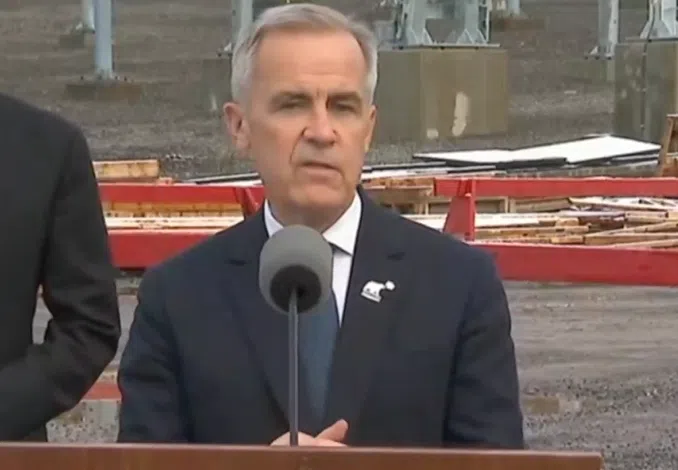
Prime Minister Mark Carney has framed the fund as a way to ensure Canadians benefit more directly from major development projects, while also supporting efforts to diversify the economy.
The fiscal update comes amid ongoing global uncertainty, including geopolitical tensions and trade disruptions, which the government says could weigh on economic growth in the months ahead.
Despite those risks, the update highlights what officials describe as a resilient domestic economy, supported by resource revenues and steady employment levels.
Additional measures include a planned reduction in Canada Pension Plan contribution rates beginning in 2027, along with continued affordability supports such as a temporary suspension of the federal fuel excise tax and expanded grocery benefits.
The government is also proposing new investments in sports infrastructure and programs, as well as steps to address labour mobility and streamline apprenticeship training.
While economists caution the outlook remains uncertain, particularly given global conditions, the update suggests Ottawa is entering the next fiscal period with more flexibility than previously expected, allowing it to advance spending priorities while maintaining a focus on long-term growth.


Comments