


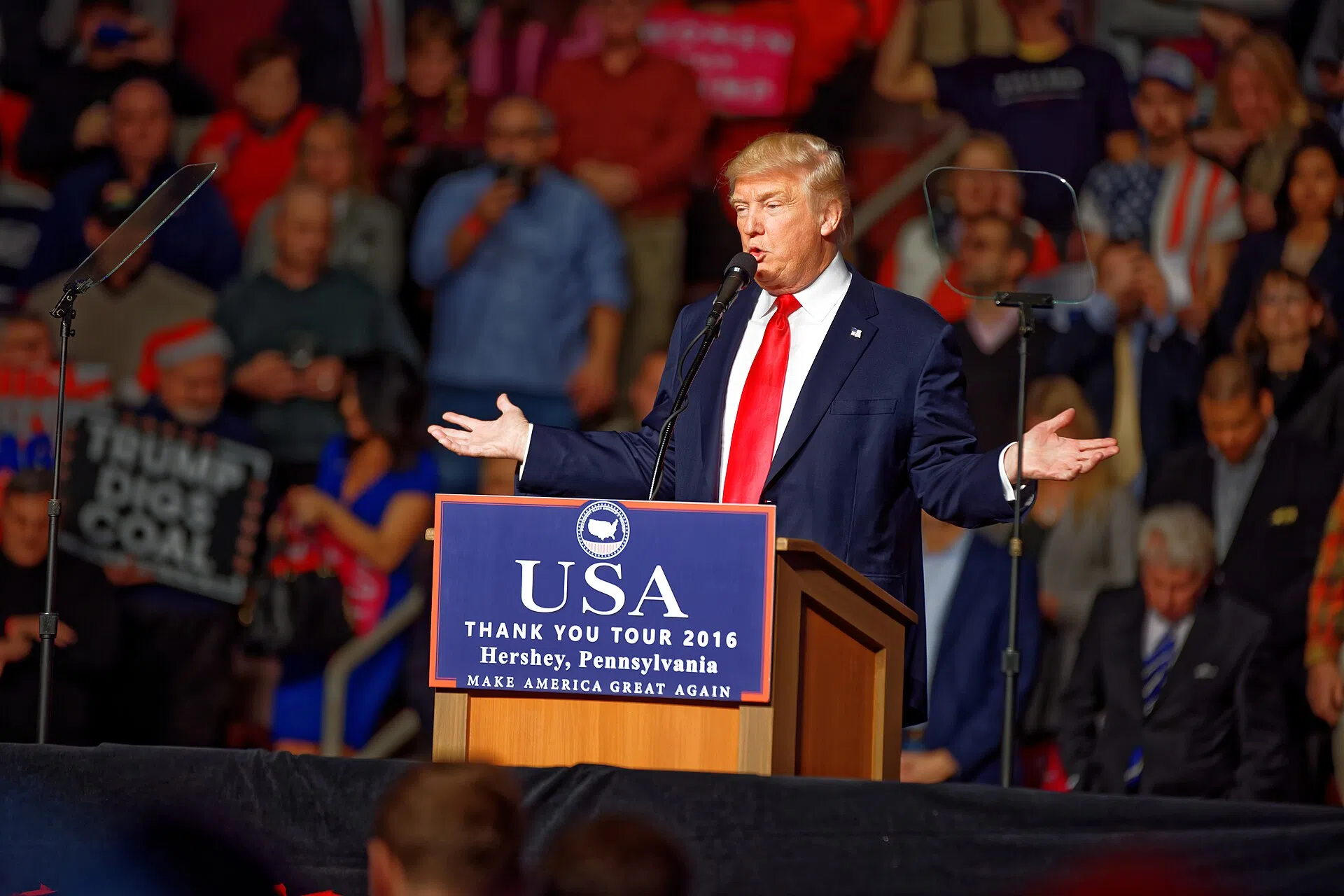
By Michael Vadon - Own work, CC BY-SA 4.0, https://commons.wikimedia.org/w/index.php?curid=54216023
WASHINGTON — The U.S. war with Iran is causing rampant inflation for Americans as soaring fuel prices ripple through the broader economy and reignite fears of a prolonged energy-driven cost crisis.
New figures released Tuesday by the U.S. Labor Department show annual inflation climbed to 3.8 per cent in April, up sharply from 3.3 per cent in March and 2.4 per cent in February. Economists say the increase is being driven largely by rising gasoline and energy prices linked to the ongoing conflict in the Middle East.
The April inflation reading marks the highest annual rate recorded in nearly three years.
Gasoline prices in the United States have surged roughly 28 per cent compared with a year ago, with energy prices accounting for a large share of the monthly increase in consumer costs.
Economists warn the conflict is creating conditions similar to the energy-driven inflation shocks experienced during the late 1970s.
“The Great Inflation was not the initial surge,” economists Olivier Coibion of the University of Texas at Austin and Yuriy Gorodnichenko of the University of California at Berkeley wrote in a recent analysis. “It was the failure to prevent the second one.”
Analysts say rising fuel prices are now feeding into transportation costs, consumer goods prices and household expenses more broadly, increasing pressure on middle- and lower-income families.
Reuters reported inflation-adjusted wages declined in April, meaning many workers effectively lost purchasing power as prices continued rising faster than earnings.
Financial markets also reacted negatively to the latest inflation data, with investors increasingly expecting the U.S. Federal Reserve to delay planned interest rate cuts because of persistent inflation concerns.
According to The Washington Post, economists Olivier Coibion of the University of Texas at Austin and Yuriy Gorodnichenko of the University of California at Berkeley warned continued disruptions to Middle East oil supplies could trigger a second wave of inflation similar to the late 1970s energy crisis. Michael Metcalfe, head of macro strategy at State Street Markets, also warned fuel prices are now exerting growing pressure across broader consumer markets.
Statistics Canada will post Canada’s Consumer Price Index on May 19th, giving Canadians a better understanding of the effect of high fuel prices on the national economy.


Comments