


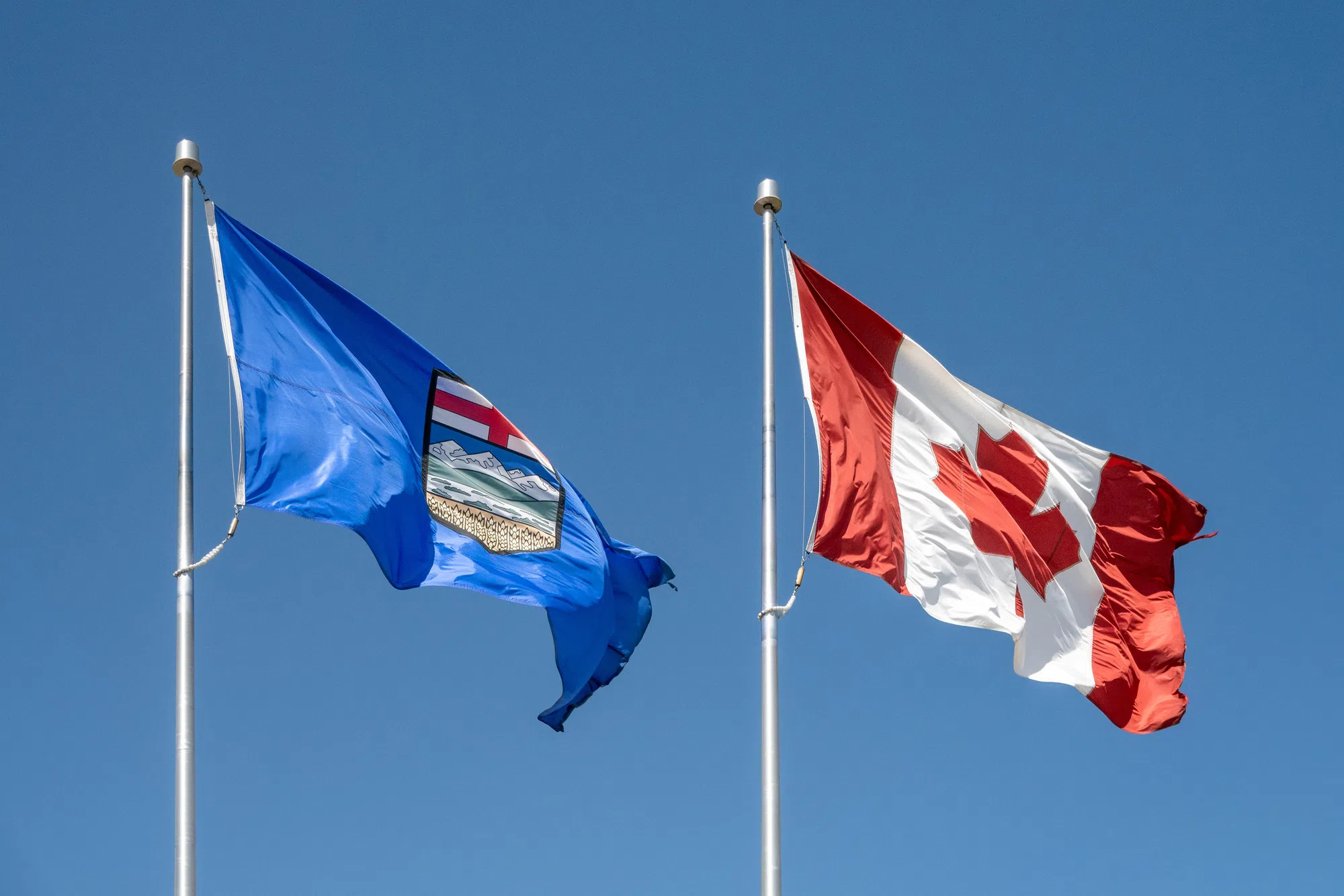
EDMONTON — Albertans will head to the polls Oct. 19 for what Elections Alberta is describing as a historic provincewide referendum, including a question asking whether the province should remain part of Canada or begin the constitutional process leading to a future binding vote on separation.
With public attention increasingly focused on the sovereignty question, Elections Alberta has begun releasing details about how the referendum will operate, how ballots will be counted and who will be eligible to vote.
The referendum will feature 10 separate questions, each appearing on its own colour-coded ballot. Question 10, dealing with Alberta’s future within Canada, will be the first ballot issued to voters and the first counted when polls close.
The question asks whether Alberta should remain a province in Canada or whether the provincial government should begin the constitutional process required to hold a binding referendum on separation.
Chief Electoral Officer Gordon McClure said Elections Alberta expects significant public interest in the vote and is encouraging Albertans to become familiar with referendum procedures well before voting begins.
Because voters will cast ballots on 10 separate questions, Elections Alberta estimates approximately 34 million ballots will be printed, distributed and counted across the province. Electors will receive all ballots at the same time in a numbered stack and will place completed ballots into separate colour-coded ballot boxes corresponding to each question.
Voting procedures will largely mirror those used during provincial elections.
Albertans must be Canadian citizens, at least 18 years old and ordinarily resident in Alberta to vote. Former Alberta residents living elsewhere will not be eligible, although students temporarily studying outside the province may vote if they intend to return to Alberta.
Voters will be able to cast ballots through advance voting, on referendum day or by special ballot through the mail. Applications for mail-in ballots are expected to open in late July.
Most voters will be required to provide identification, either through government-issued photo identification showing a current residential address or through a combination of accepted documents. Elections Alberta says more than 50 forms of identification will be accepted.
Residents of supportive living facilities, long-term care centres, shelters and certain community support facilities may vote through mobile voting stations and, in some circumstances, will not be required to present identification.
Ballots will be counted manually in the order established by Elections Alberta, meaning the Alberta sovereignty question will be counted first at each voting station.
Results will be reported publicly as they are received from returning officers and published online by voting area and electoral division. Provincial regulations require unofficial results to be reported within 48 hours of the close of voting.
Elections Alberta is also preparing for what it expects will be one of the largest electoral operations in provincial history.
The agency estimates it will require more than 60,000 election workers to staff voting stations, returning offices and counting operations. Recruitment of election officers begins June 8. Workers must complete training, sign an oath of office and refrain from political activity while employed by Elections Alberta.
The referendum is already triggering Alberta’s third-party advertising rules.
As of March 31, advertising regulations took effect for Questions 1 through 9. Similar rules took effect May 28 for organizations and individuals campaigning on either side of the Alberta sovereignty question. Registered third-party advertisers must comply with contribution, spending and disclosure requirements and file weekly financial reports.
Elections Alberta has also launched a new election integrity initiative aimed at combating misinformation, disinformation and manipulated media during the referendum campaign.
The agency says the new resource includes information on Alberta election laws, safeguards protecting vote integrity and recently enacted legislation prohibiting election-related deepfakes.
The Oct. 19 referendum is expected to become one of the most closely watched votes in Alberta history, with the separation question likely to dominate political debate throughout the summer and fall.


Comments